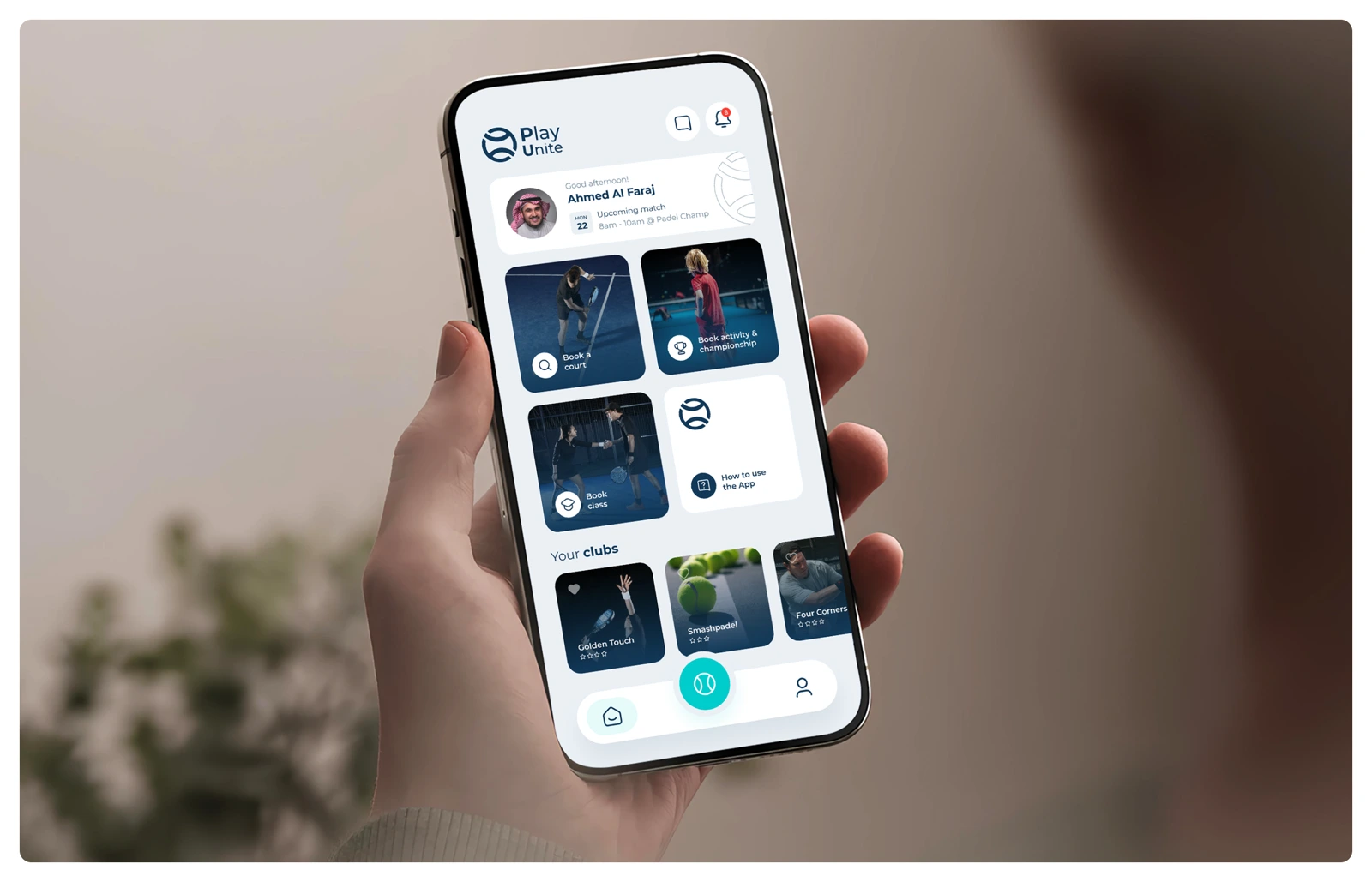
A design system is useful when it helps a team make better decisions with less friction. The library matters, but the real value is shared language: a clear way to discuss patterns, exceptions, quality, and change.
Begin with repetition
Systems do not need to begin as large initiatives. Repeated spacing, unclear button hierarchy, and forms that behave differently reveal where a shared pattern can remove uncertainty. The first version should be small enough to understand and close enough to real work to earn trust.
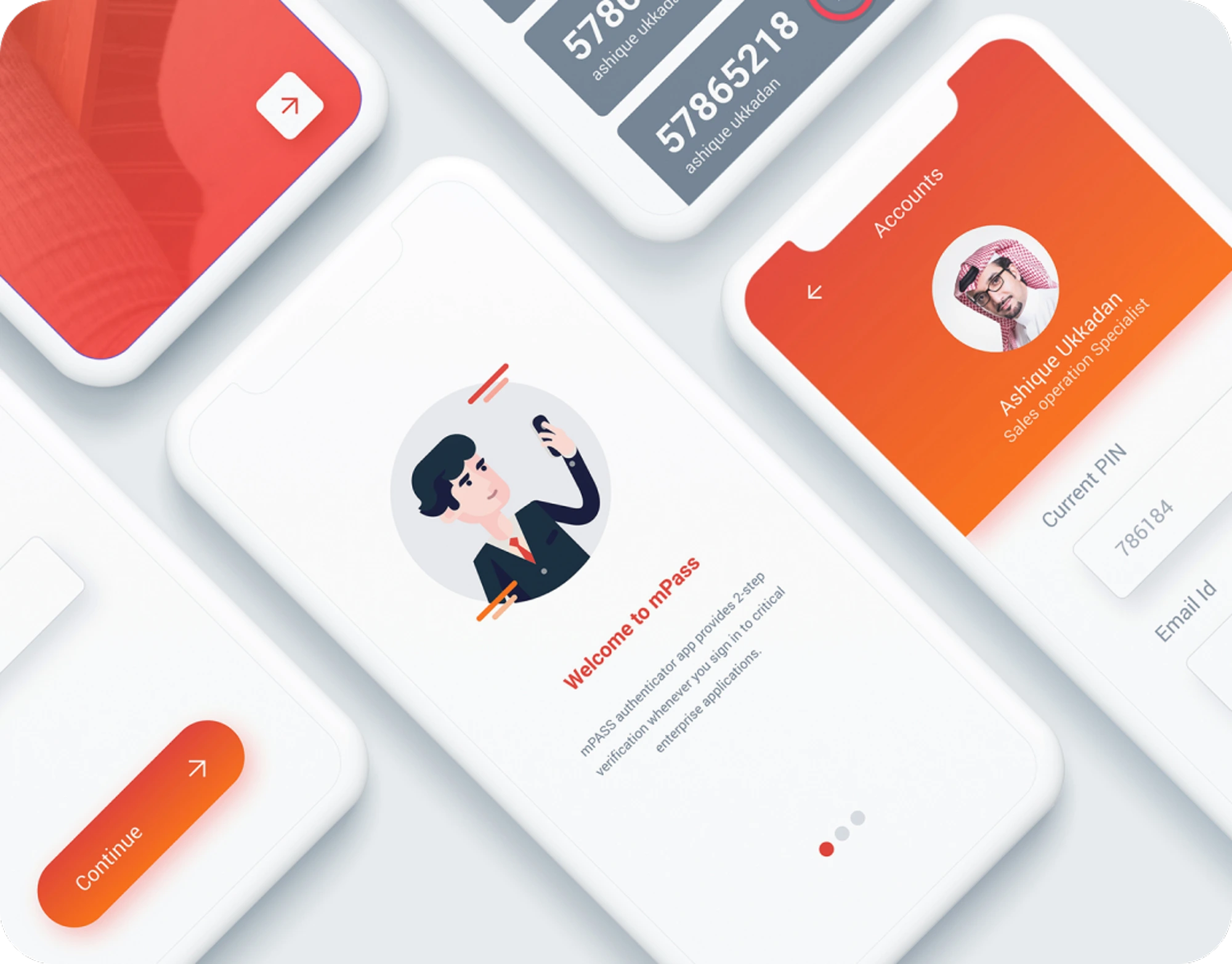
Document the why
A component shows what is available; guidance explains when to use it. Useful documentation covers purpose, content, responsive behaviour, accessibility, and when another pattern is the better choice. Repeated exceptions are information, not disobedience.
A healthy system reduces repeated debate without removing thoughtful judgment.
The system is never finished because the product is never finished. Visible ownership and an easy contribution path matter more than a perfect launch.