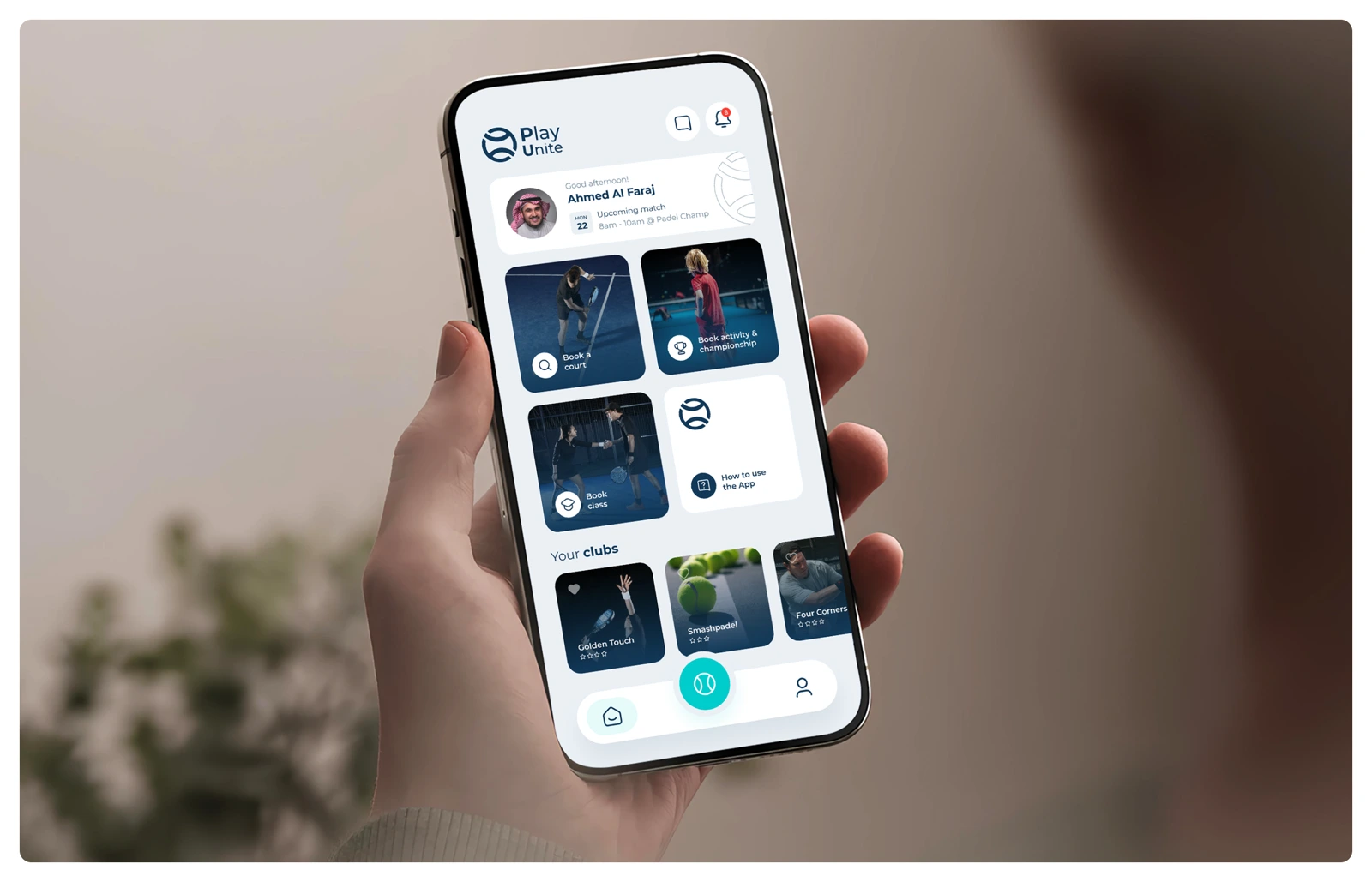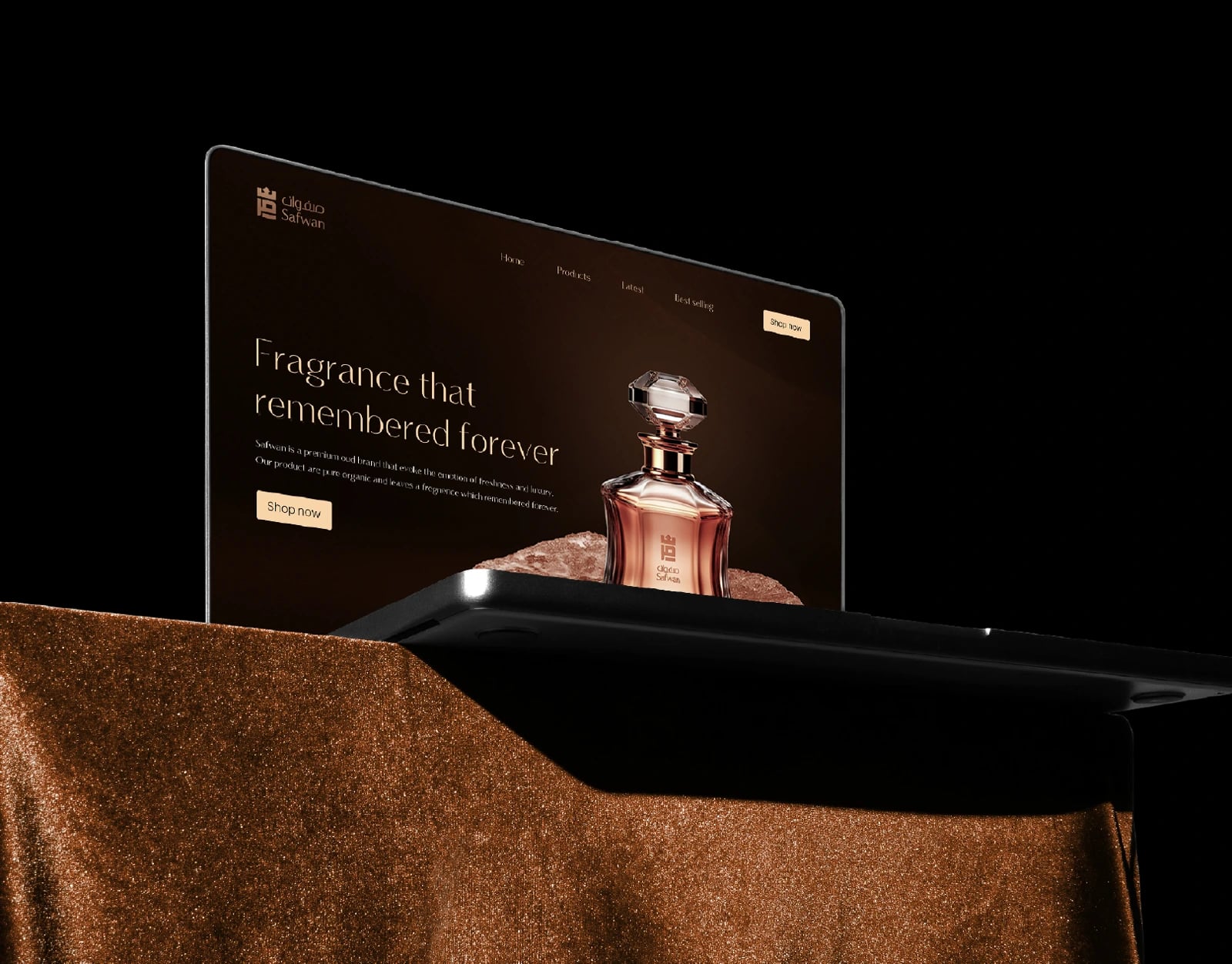
A brand becomes useful when it can make consistent decisions across identity, product, content, and code. A memorable mark opens the door; the system around it determines whether the brand can keep speaking clearly.
Beyond the logo
Real life asks an identity to work in a tiny navigation bar, a dense dashboard, a social post, and a page nobody anticipated. That is why I think in rules rather than isolated outputs.

Test the identity in the product
Digital products are an honest test. A campaign colour may fail as an accessible interface colour; a display typeface may need a quieter companion for data. Design tokens bridge identity and implementation by naming colours by purpose and defining deliberate rules for type, spacing, and motion.
Consistency is not repetition. It is a recognisable way of making decisions.
The strongest systems provide enough structure to feel coherent and enough freedom to respond to new contexts. That balance turns identity into a tool people can actually use.